GDPR-Compliant Surveys & Forms

Surveys and forms are a primary data collection mechanism, and the data they capture is often highly personal: customer opinions, employee satisfaction scores, health questionnaires, contact details, and demographic information. Under GDPR, the moment a respondent submits a form, you become the data controller responsible for protecting that information. If your form tool is operated by a US company, response data is immediately transferred outside the EU. European form and survey platforms process all submitted data within EU infrastructure, making it straightforward to demonstrate GDPR compliance to respondents and regulators. Many EU-based form tools also include built-in consent management, anonymous response options, and configurable data retention policies, features that help you collect only the data you need and delete it when you no longer have a lawful basis to keep it.

GDPR Compliance Checklist

1 Data stored in EU/EEA
2 Data Processing Agreement available
3 GDPR-compliant privacy policy
4 Right to data portability
5 Right to erasure (right to be forgotten)
6 Data breach notification procedures
7 All form and survey response data processed and stored on EU-based servers
8 Built-in consent management with timestamped records for each submission
9 Anonymous response mode that genuinely excludes IP addresses and identifying metadata

Compliant Products (3)

What Makes a Surveys & Forms GDPR Compliant?

Is Google Forms GDPR-compliant for collecting personal data in the EU?
Google Forms is part of Google Workspace, a US-based service subject to the CLOUD Act. Every form submission containing personal data is processed on Google's infrastructure. While Google offers a Data Processing Agreement, multiple EU data protection authorities have questioned whether Google's data transfers comply with GDPR. For forms collecting sensitive data such as health information, employee feedback, or customer complaints, the GDPR risk is elevated. European form builders process all response data within the EU, eliminating cross-border transfer concerns and providing clearer compliance for sensitive data collection.
How do I make my online forms GDPR-compliant?
GDPR-compliant forms require several elements: a clear privacy notice explaining what data is collected and why, a lawful basis for processing (usually consent for surveys), only collecting data you actually need (data minimization), secure storage of responses, and the ability to delete individual responses on request. European form platforms build these requirements into their product: consent checkboxes with timestamped records, anonymous response modes, configurable retention periods, and individual response deletion. US-based form tools may offer some of these features, but the underlying data storage location remains a compliance concern.
Can I collect anonymous responses while still being GDPR-compliant?
Yes, and anonymous data collection is actually one of the best ways to minimize GDPR exposure. If responses truly cannot be linked to an individual, GDPR does not apply to that data. European survey platforms offer genuine anonymization by not collecting IP addresses, removing metadata that could identify respondents, and ensuring that response patterns cannot be correlated to individuals. Be careful with US-based tools that claim anonymity but still log IP addresses or browser fingerprints on their servers, as this metadata can potentially re-identify respondents and constitutes personal data processing under GDPR.

Get Started

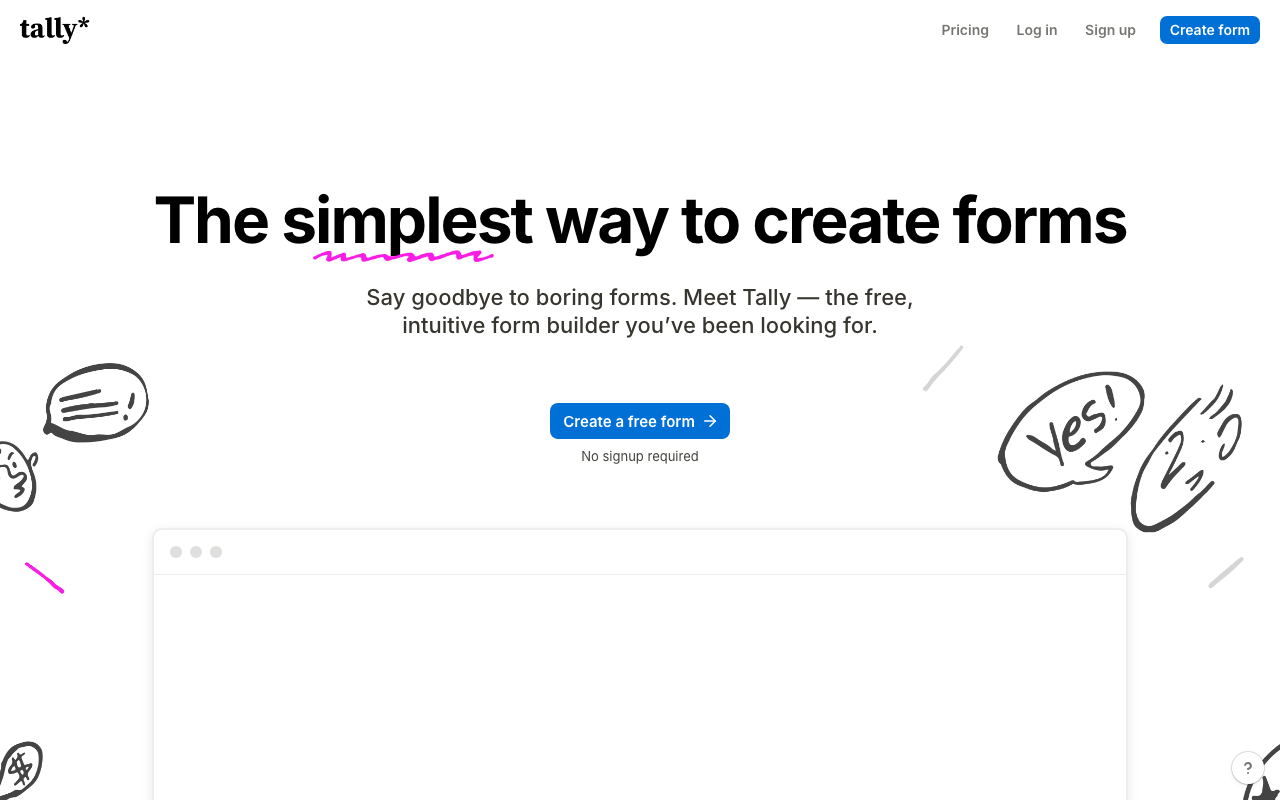
Tally

Belgian form builder that works like a document

Try Tally

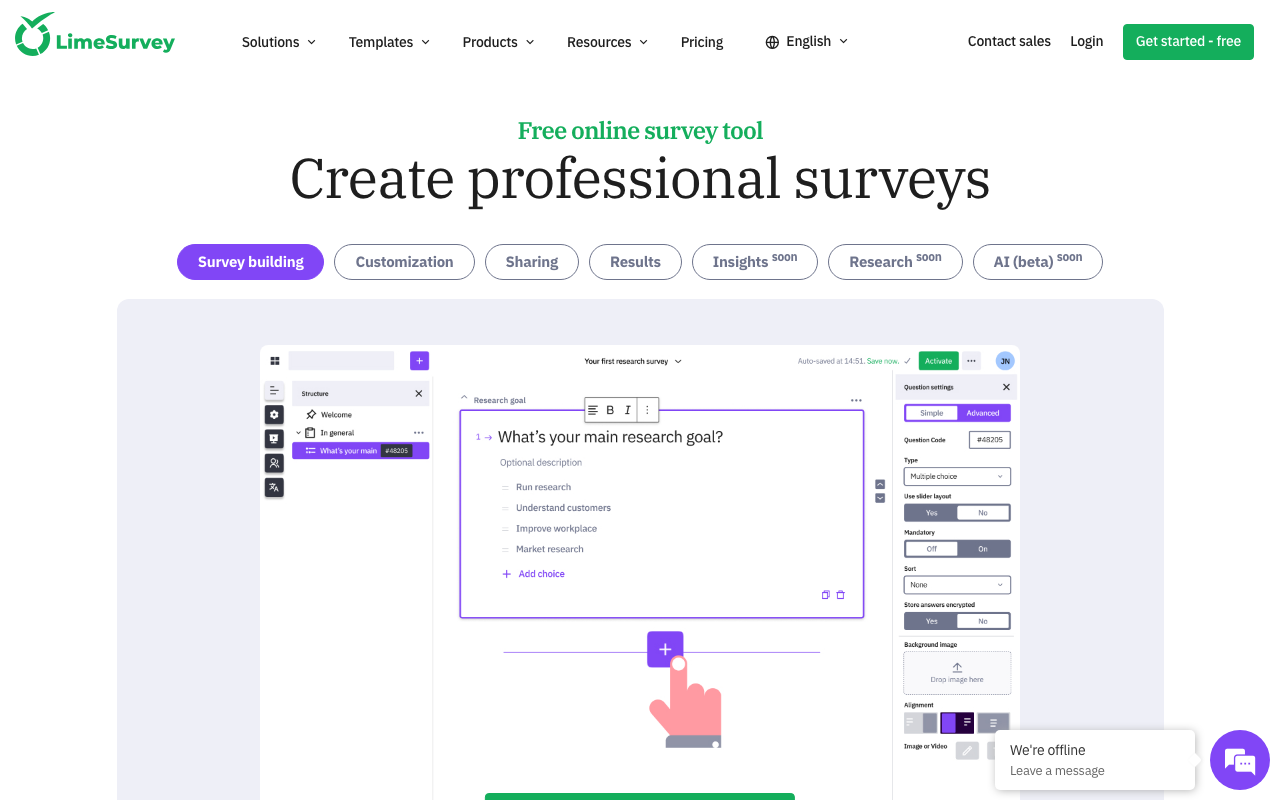
LimeSurvey

Open source survey platform with unmatched flexibility

Try LimeSurvey

Formbricks

Open source survey and experience management platform

Try Formbricks

Looking for Alternatives?

Where These Products Host Data

Other GDPR-Compliant Categories

Related Pages