Find European Alternatives to US Cloud Services
Discover GDPR-compliant SaaS products hosted in Europe. Take control of your data sovereignty.
Popular Alternatives
View all 100 →ChatGPT
ChatGPT is an AI conversational assistant by OpenAI that generates human-like text responses, assists with writing, coding, analysis, and creative tasks.
3 EU alternatives available
WhatsApp is a messaging application owned by Meta that provides end-to-end encrypted text messaging, voice calls, and video calls to over two billion users worldwide.
3 EU alternatives available
AWS
Amazon Web Services is a comprehensive cloud computing platform by Amazon offering over 200 services including compute, storage, databases, and machine learning from data centers worldwide.
6 EU alternatives available
WordPress.com
WordPress.com is a managed website and blog hosting platform by Automattic, offering a hosted version of the WordPress CMS with built-in themes, plugins, and maintenance.
3 EU alternatives available
Microsoft Teams
Microsoft Teams is a business communication and collaboration platform combining chat, video meetings, file storage, and application integration within the Microsoft 365 ecosystem.
3 EU alternatives available
GitHub
GitHub is a code hosting and collaboration platform owned by Microsoft that provides version control, code review, CI/CD, and project management tools for software development.
3 EU alternatives available
Gmail
Gmail is a free email service provided by Google that offers 15 GB of storage, powerful spam filtering, and deep integration with other Google Workspace products.
4 EU alternatives available
Zoom
Zoom is a video communications platform that provides video meetings, webinars, chat, and phone services for businesses and individuals worldwide.
3 EU alternatives available
Microsoft Azure
Microsoft Azure is a cloud computing platform offering a wide range of services including virtual machines, databases, AI, and DevOps tools for building and managing applications.
4 EU alternatives available
Microsoft 365
Microsoft 365 is a subscription-based suite of productivity applications including Word, Excel, PowerPoint, Outlook, and Teams, with cloud storage and collaboration features.
5 EU alternatives available
Discord
Discord is a communication platform offering text messaging, voice calls, and video chat organized in community servers, popular with gaming and tech communities.
3 EU alternatives available
PayPal
PayPal is a global online payment platform that enables individuals and businesses to send and receive money, make purchases, and manage financial transactions digitally.
3 EU alternatives available
Featured European Software
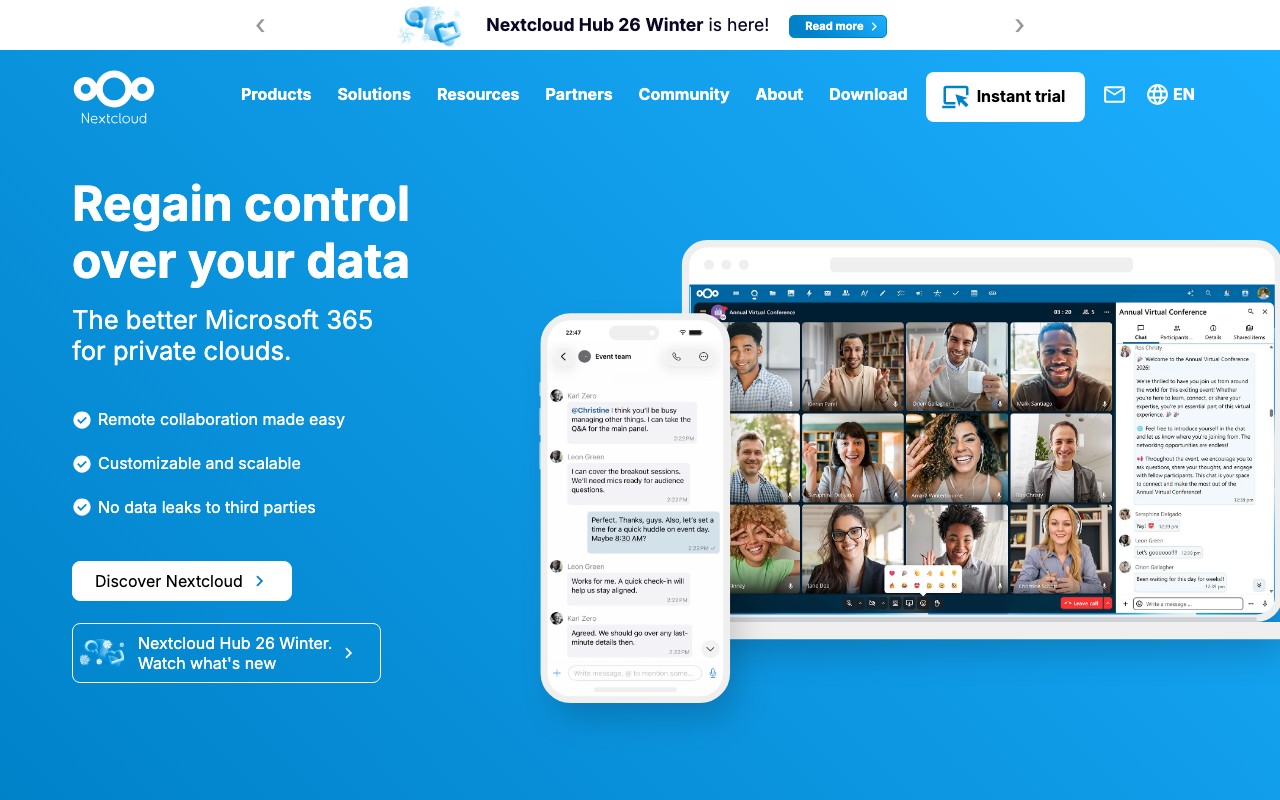

Nextcloud
Self-hosted productivity platform
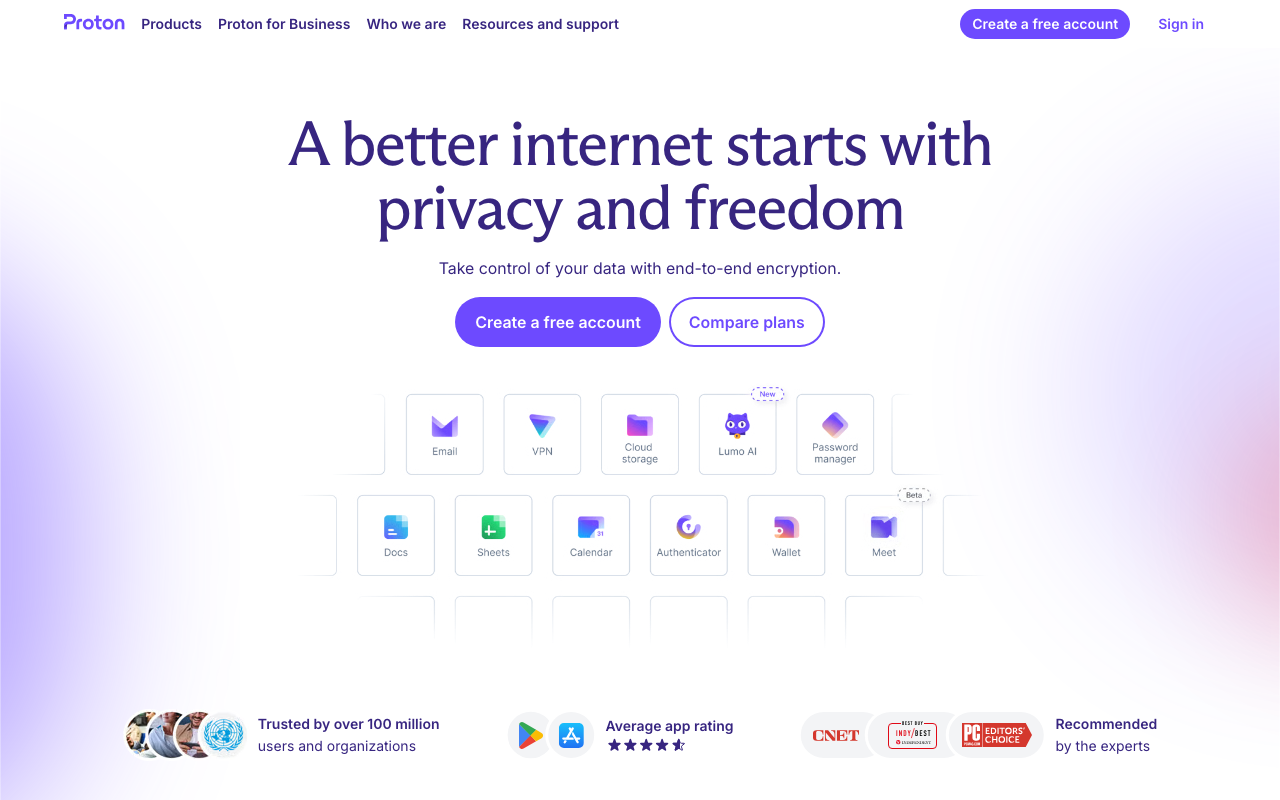

Proton Mail
Encrypted email from Switzerland
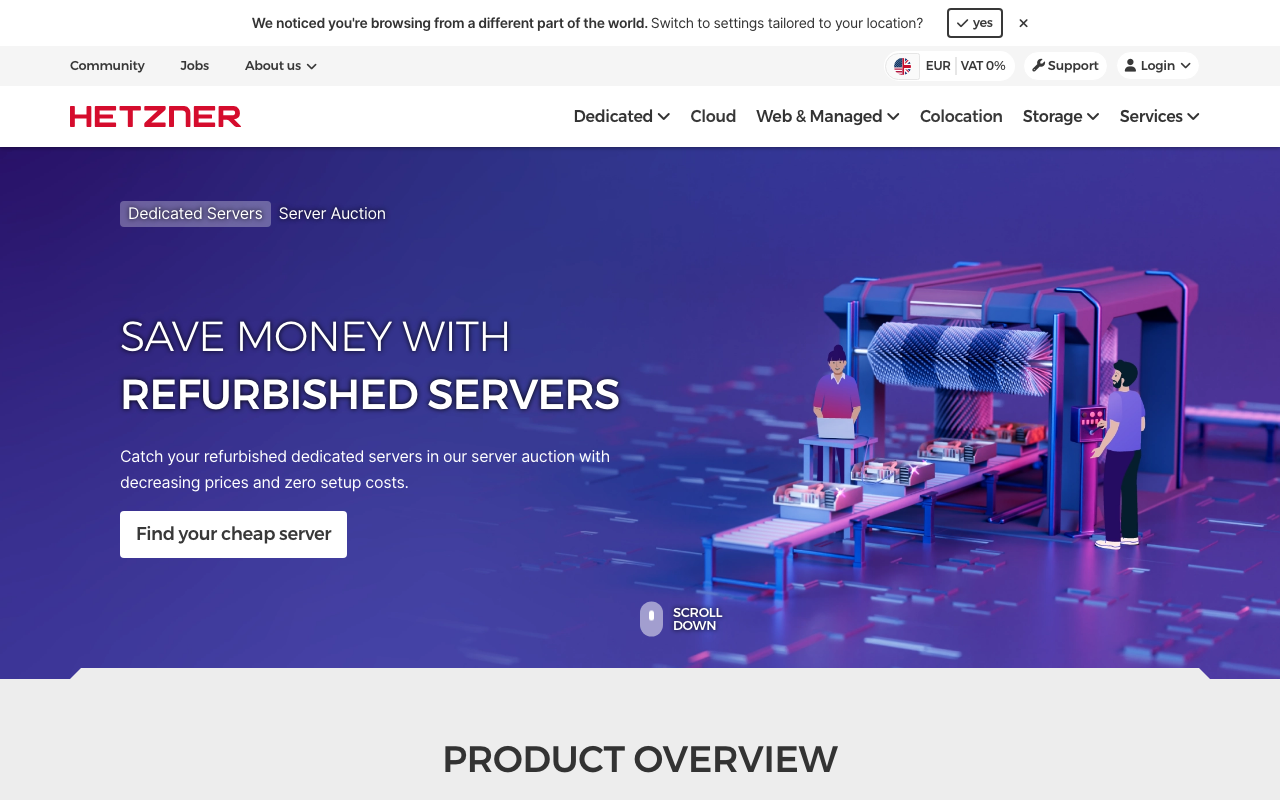

Hetzner Cloud
Affordable European cloud infrastructure
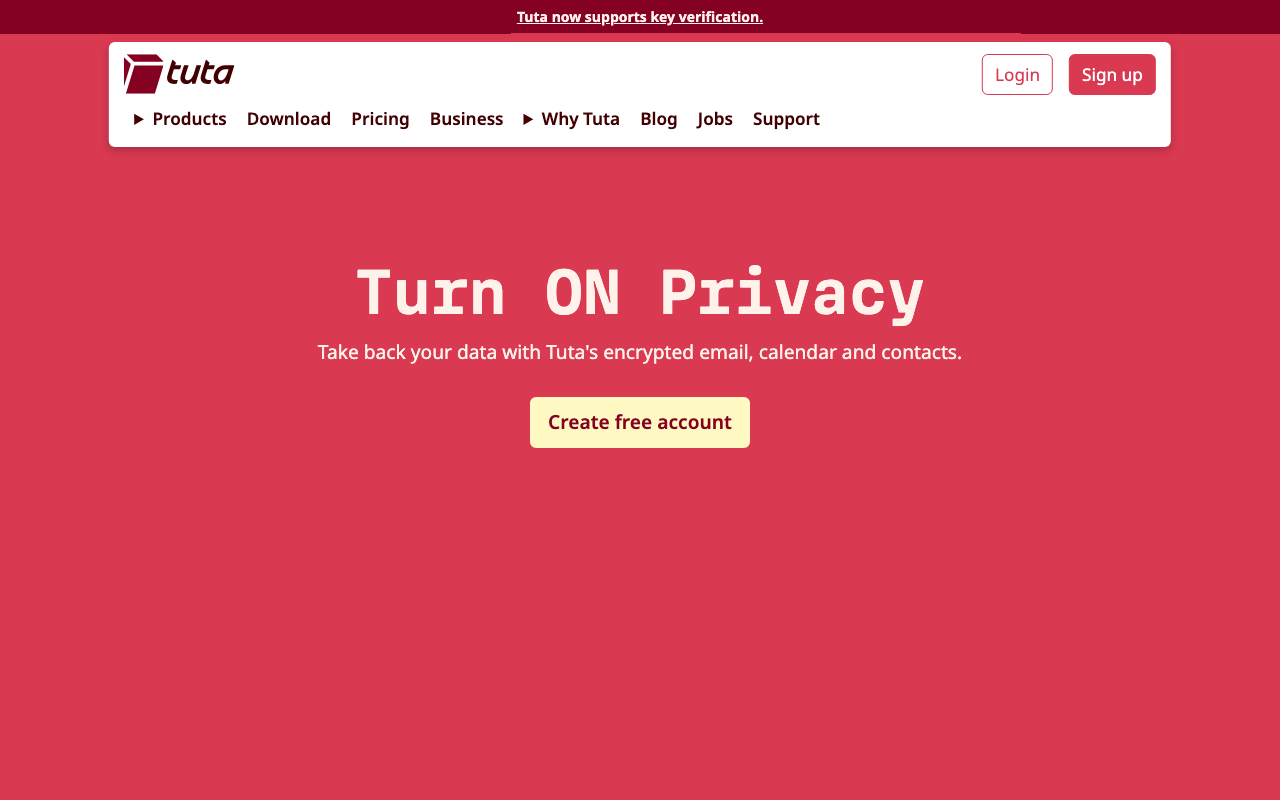
Tuta
Secure email and calendar made in Germany

Penpot
Open source design and prototyping platform

Scaleway
European multi-cloud infrastructure provider
Browse by Category
Featured Comparisons
Latest from the Blog
View all posts →The US CLOUD Act and What It Means for European Businesses
Understanding the Clarifying Lawful Overseas Use of Data Act and its implications for EU companies using US cloud services.
The Best European SaaS Software by Country
A tour of Europe's best software companies, from Germany's Nextcloud and Hetzner to France's Scaleway and Spain's Penpot.
Data Sovereignty in Europe: What Every Business Needs to Know
A comprehensive guide to data sovereignty, GDPR compliance, and why choosing EU-hosted software protects your business from legal risk.