GDPR-Compliant Password Manager
Password managers store the keys to your entire digital infrastructure: login credentials for email, cloud services, banking, customer databases, and administrative systems. A breach of your password manager could expose every system your organisation uses. Under GDPR, credentials that provide access to personal data are themselves subject to appropriate technical safeguards, and storing them with a non-EU provider introduces jurisdictional risk. European password managers combine zero-knowledge encryption (where even the provider cannot access your vault) with EU-based infrastructure. This means your credential vault is protected both cryptographically and jurisdictionally. For organisations subject to GDPR, using a European password manager demonstrates the kind of robust technical measures that data protection authorities expect to see.
GDPR Compliance Checklist
Compliant Products (6)
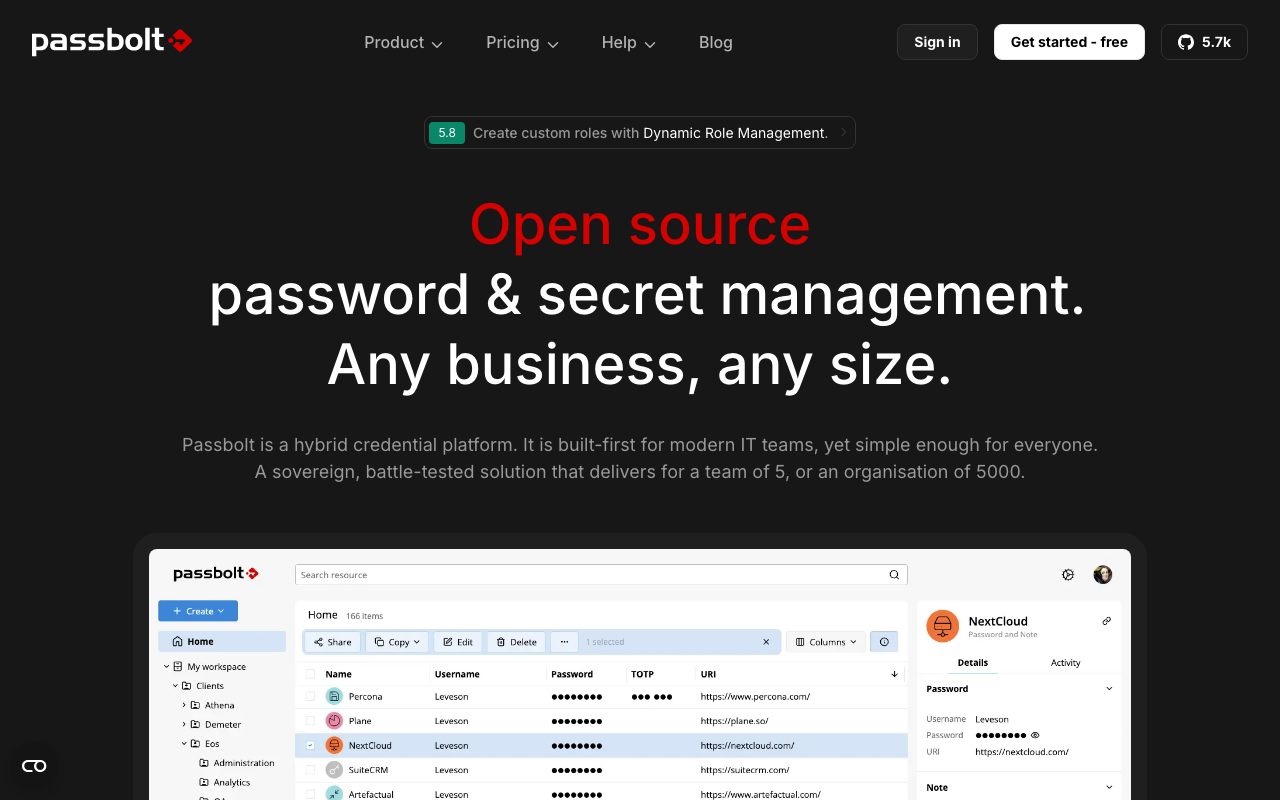

Passbolt
Open source password manager for teams
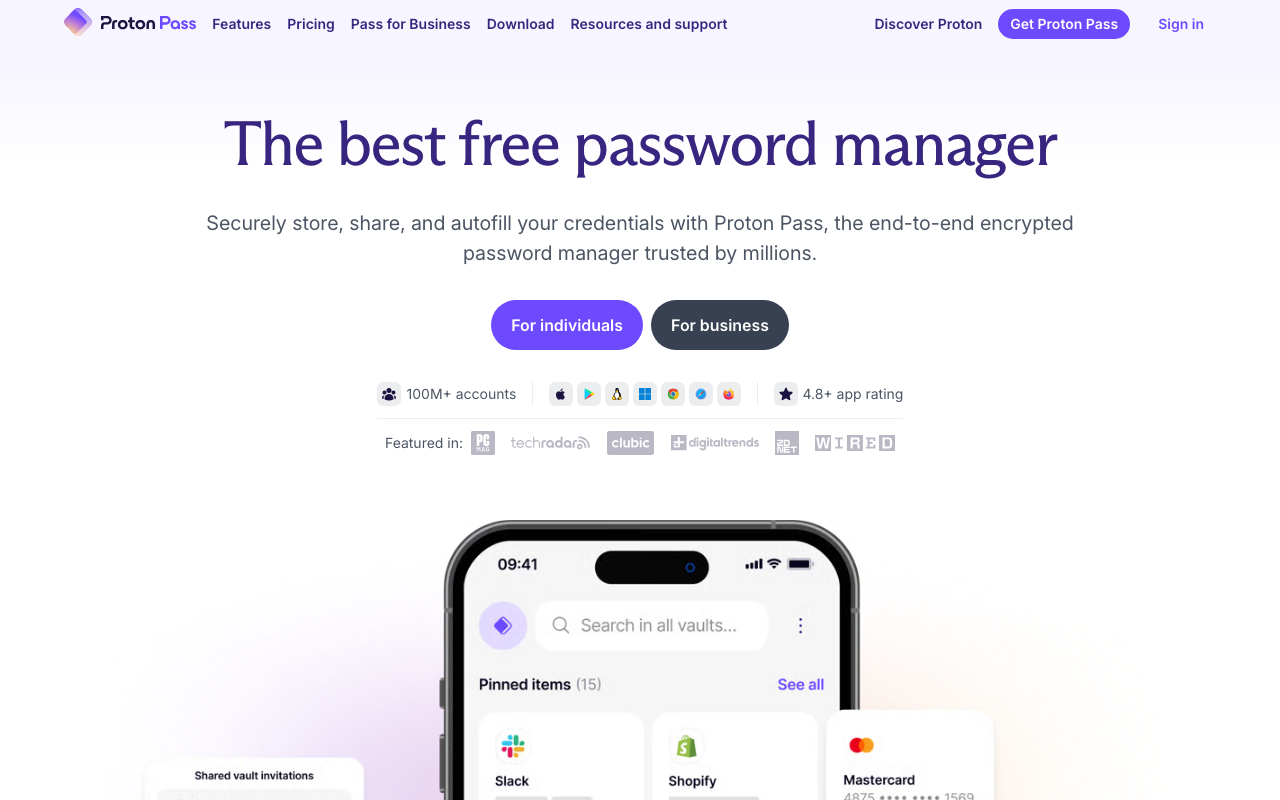

Proton Pass
Encrypted password manager from the makers of Proton Mail
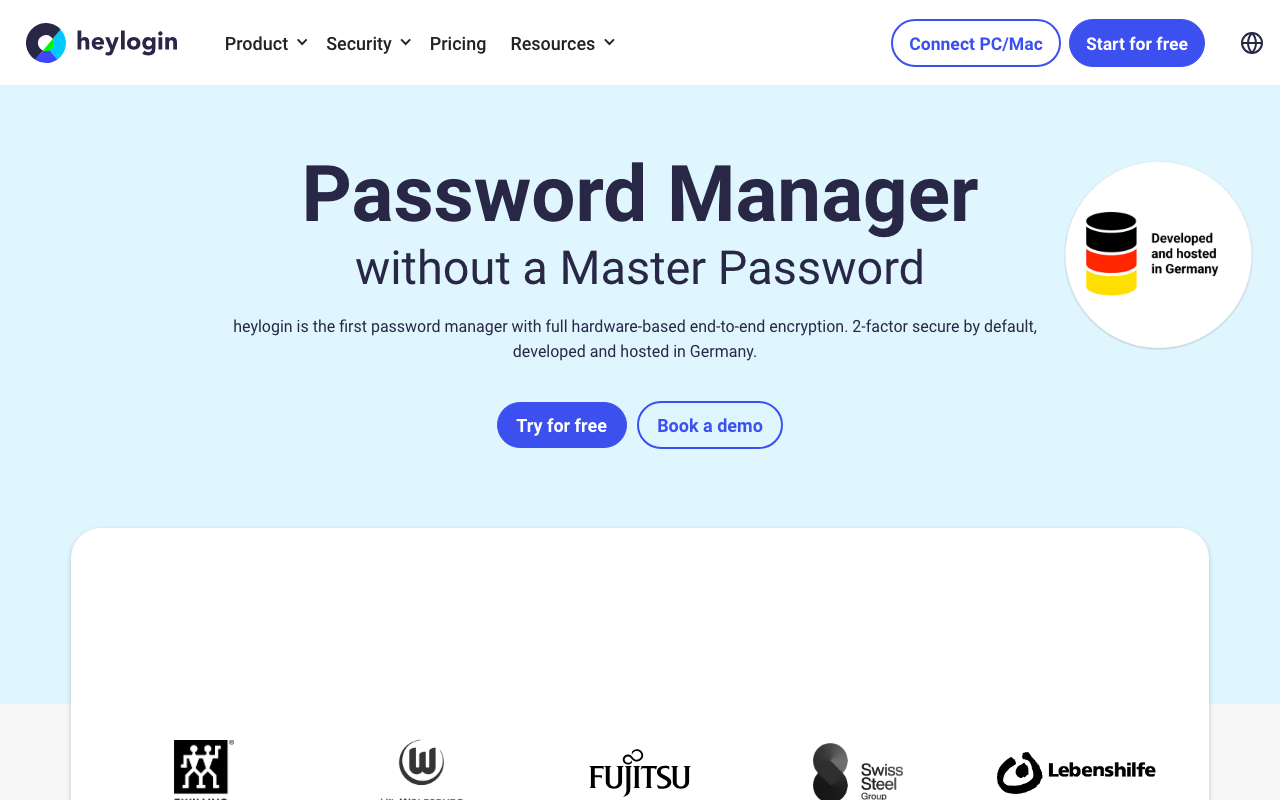

heylogin
Passwordless enterprise credential manager from Germany
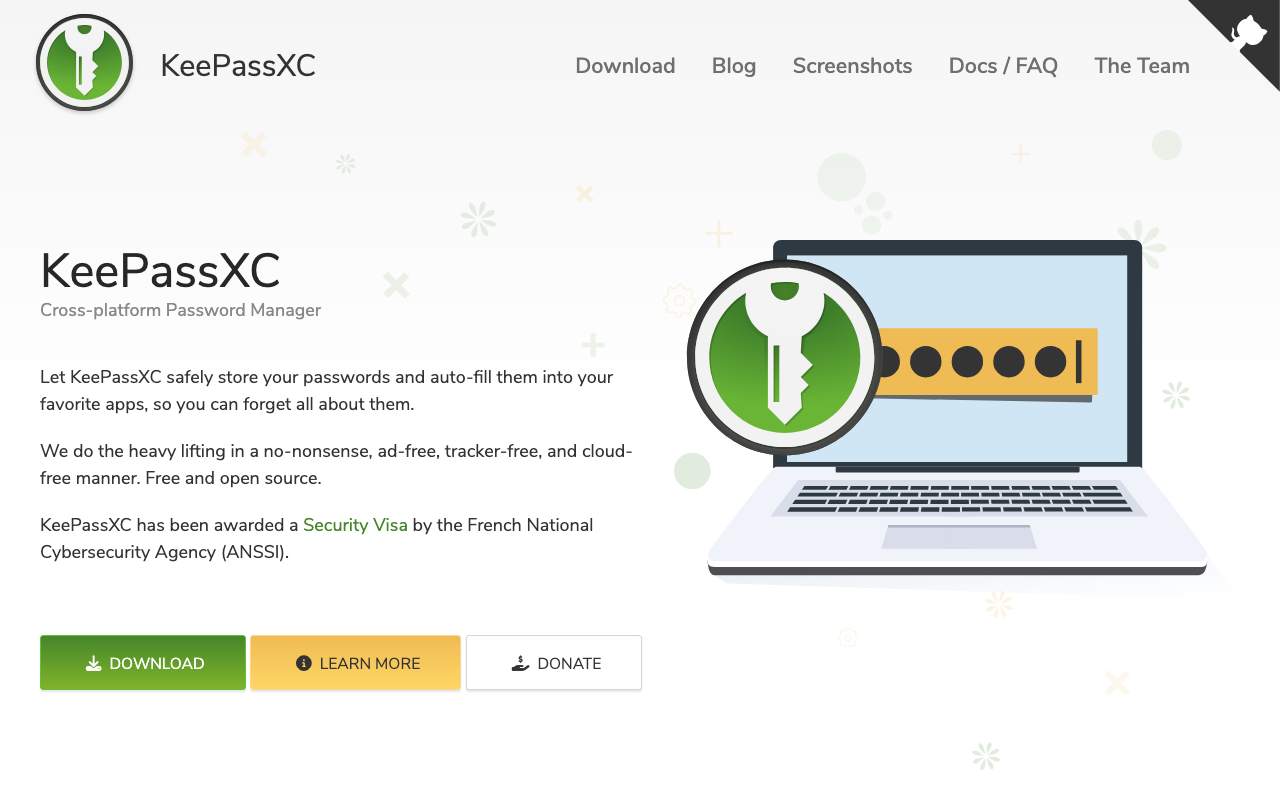
KeePassXC
Community-driven open source offline password manager

Ory
Open source identity and access management platform

Bare.ID
German managed identity and access management platform
What Makes a Password Manager GDPR Compliant?
Is LastPass still safe to use after its data breaches?
What does zero-knowledge encryption mean for a password manager?
How do European team password managers handle employee offboarding?
Get Started
Looking for Alternatives?
Where These Products Host Data
Other GDPR-Compliant Categories
Discover GDPR-compliant European file storage alternatives to Google Drive and Dropbox. Keep your data in the EU.
Find European email hosting providers with end-to-end encryption and GDPR compliance. Secure alternatives to Gmail and Outlook.
European cloud hosting and IaaS alternatives to AWS, Azure, and Google Cloud with full EU data residency.
GDPR-compliant European alternatives to Slack, Teams, and Zoom for secure team collaboration and messaging.
Related Pages
Browse all password manager products
Open source password manager for teams
Encrypted password manager from the makers of Proton Mail
Passwordless enterprise credential manager from Germany
Community-driven open source offline password manager
Open source identity and access management platform
German managed identity and access management platform