GDPR-Compliant Note Taking

Note-taking applications become repositories for unstructured sensitive information over time. Meeting notes capture client discussions and personnel decisions, project wikis contain customer requirements and technical architecture details, and personal notes may include passwords, phone numbers, and private reflections. Because notes are informal and accumulative, they often contain personal data that would never make it into a formal system but is equally protected under GDPR. When your team uses a US-based note-taking tool like Notion or Evernote, this entire knowledge base is processed under US jurisdiction. European note-taking platforms keep your knowledge base within EU infrastructure, and many offer end-to-end encryption so that even the provider cannot read your notes. For teams that use notes as a shared knowledge repository, choosing an EU provider ensures that the informal but sensitive content in your notes is protected by the strongest privacy framework available.

GDPR Compliance Checklist

1 Data stored in EU/EEA
2 Data Processing Agreement available
3 GDPR-compliant privacy policy
4 Right to data portability
5 Right to erasure (right to be forgotten)
6 Data breach notification procedures
7 All notes, wikis, and knowledge base content stored on EU-based servers
8 Full-text search across all content for data subject access request compliance
9 End-to-end encryption option so the provider cannot access note content

Compliant Products (3)

What Makes a Note Taking GDPR Compliant?

Why would GDPR apply to my personal or team notes?
Notes routinely contain personal data that people do not consciously think about: meeting notes with attendee names and discussion topics, customer requirements referencing specific individuals, phone numbers and email addresses jotted down for quick reference, interview notes with candidate evaluations, and project retrospectives mentioning team member contributions. Under GDPR, any information relating to an identifiable person is personal data regardless of where it is stored. If an employee requests access to all data held about them, your note-taking platform must be searchable and the relevant notes exportable or deletable.
Can European note-taking tools replace Notion for team wikis and documentation?
European alternatives offer competitive features for team knowledge management. Tools like AppFlowy and Anytype provide databases, kanban boards, and wiki structures similar to Notion. For teams focused on documentation, European platforms offer rich text editing, Markdown support, nested pages, and team collaboration. Some European note tools also offer end-to-end encryption, a feature Notion does not provide, meaning even the platform operator cannot read your content. While Notion's breadth of templates and integrations is wider, European tools cover the core use cases of team wikis, meeting notes, and knowledge bases effectively.
How should I handle data subject access requests for content in our team notes?
When someone requests access to their personal data under GDPR, you must search your note-taking platform for any content mentioning them. This includes meeting notes where they were discussed, project documents referencing their contributions, and any personal information recorded about them. European note-taking platforms typically offer full-text search across all team content, making it feasible to locate relevant notes. You must then export or provide the relevant content and, if deletion is requested and no retention obligation applies, remove their personal data from your notes. This is significantly easier with a platform that offers granular search and export capabilities.

Get Started

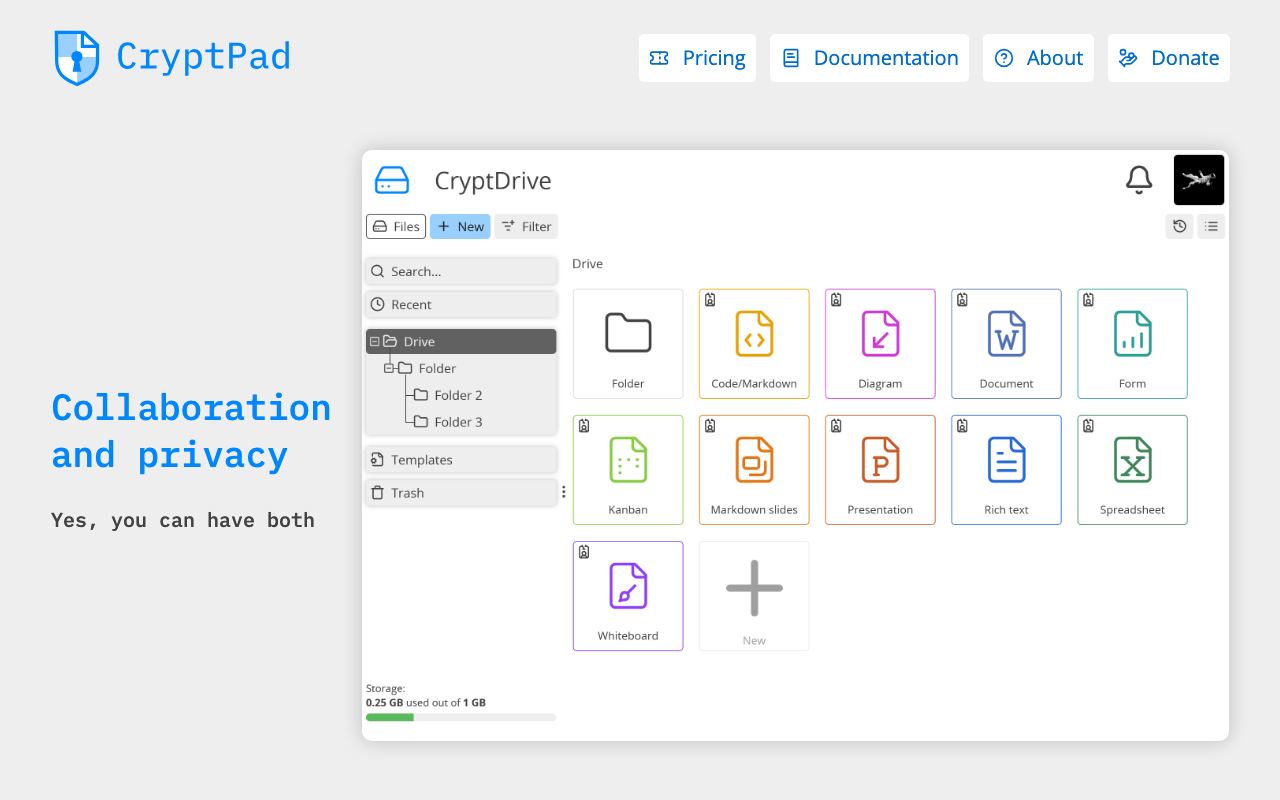
CryptPad

Zero-knowledge encrypted collaboration suite

Try CryptPad

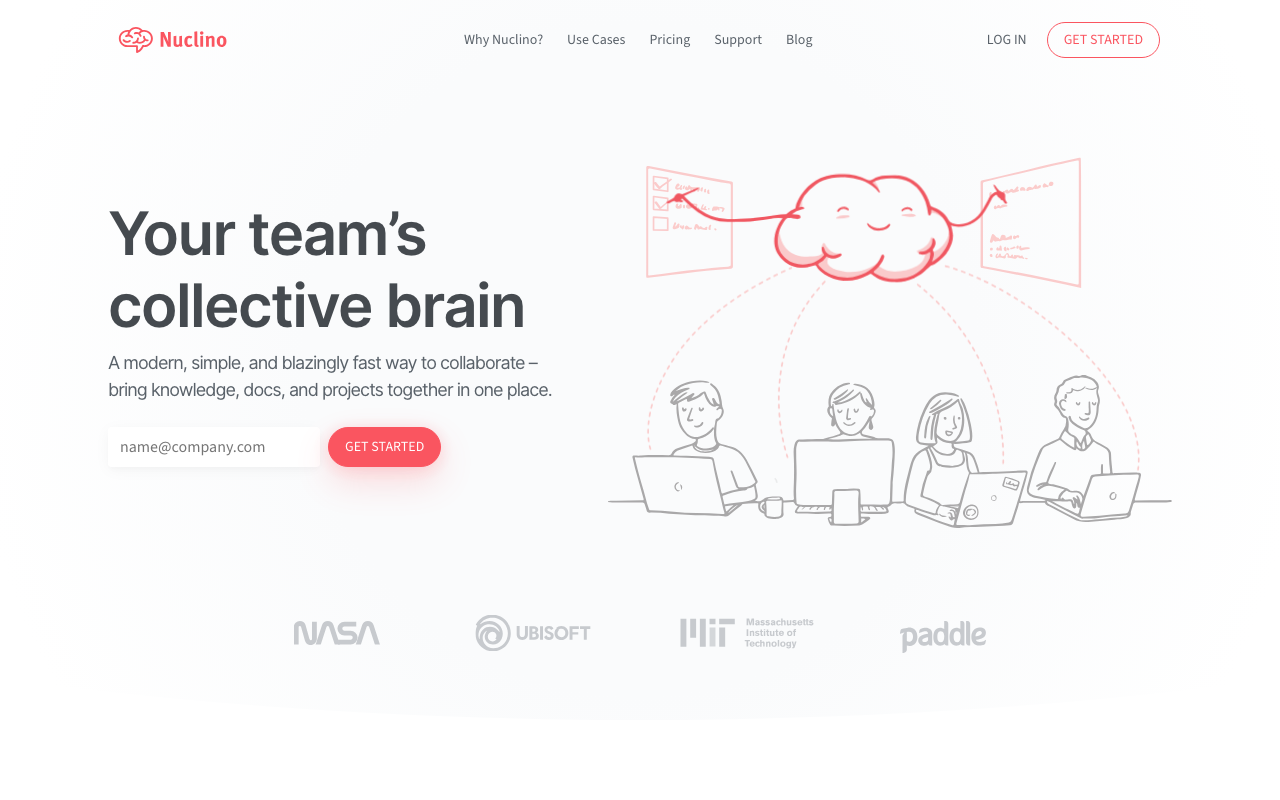
Nuclino

Lightweight team knowledge base from Germany

Try Nuclino

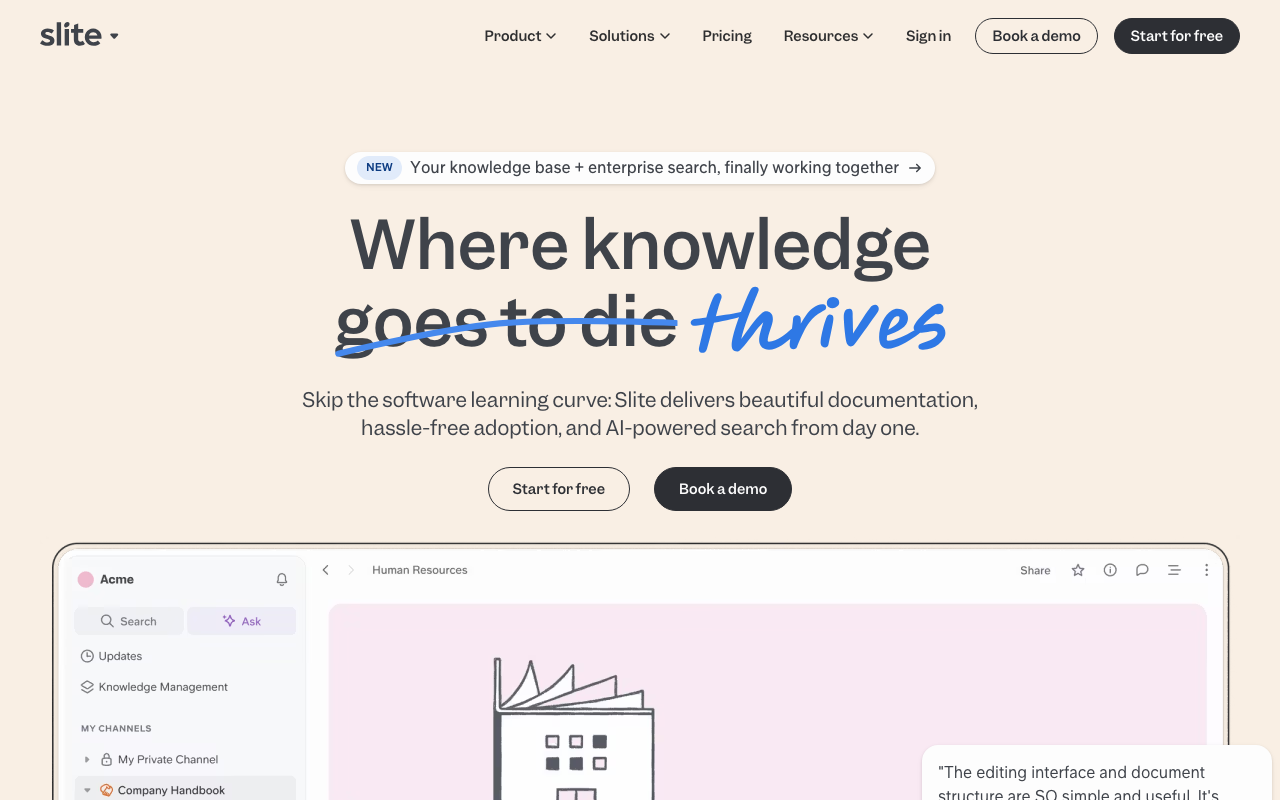
Slite

AI-powered team knowledge base from France

Try Slite

Looking for Alternatives?

Where These Products Host Data

Other GDPR-Compliant Categories

Related Pages