GDPR-Compliant Messaging & Chat
Business messaging platforms accumulate a vast archive of internal communications: strategy discussions, HR conversations, client details, financial figures, and casual exchanges that may inadvertently contain personal data. Unlike email, messaging tends to be informal and high-volume, making it harder to audit and control. Under GDPR, this unstructured personal data still requires proper protection, lawful processing, and the ability to respond to data subject requests. European messaging providers address these concerns by encrypting messages end-to-end, storing all data on EU servers, and providing administrative tools for message retention and deletion policies. This ensures that your team's daily communication is governed by European law, not subject to foreign surveillance frameworks.
GDPR Compliance Checklist
Compliant Products (5)
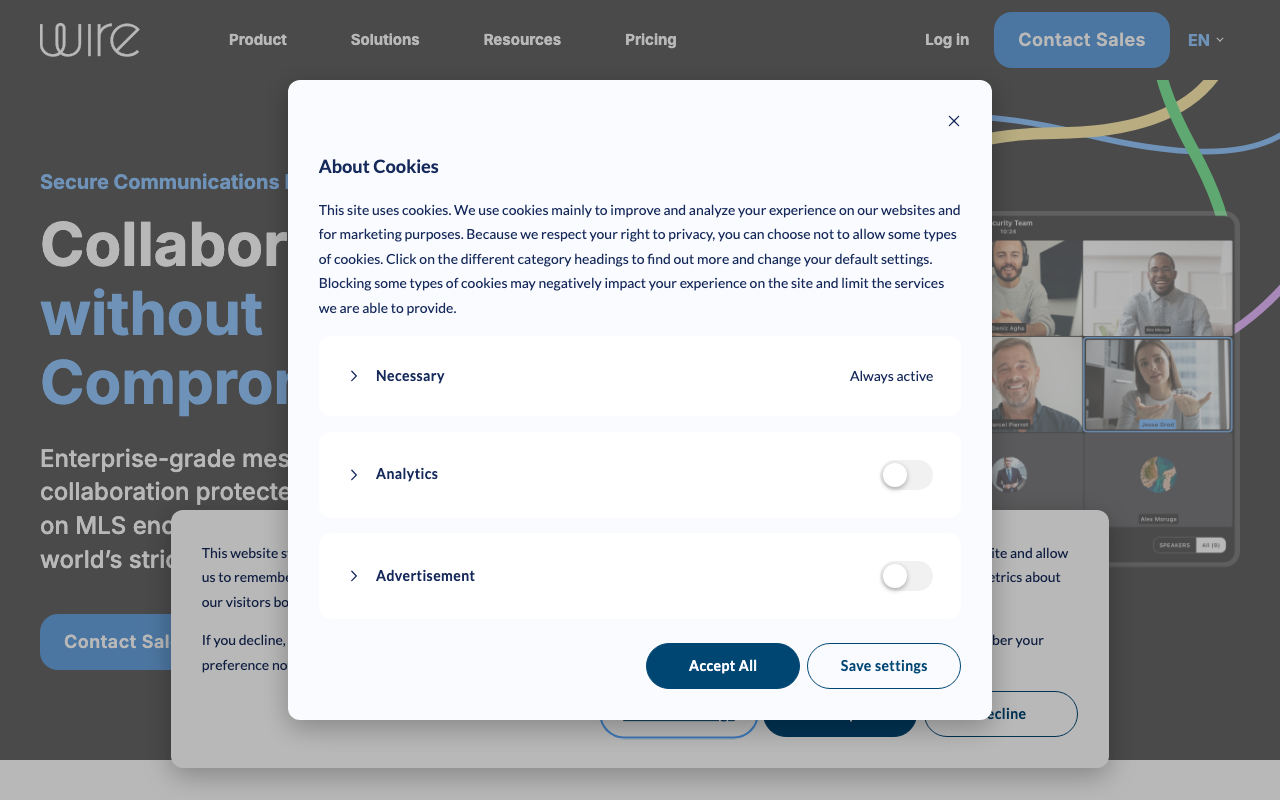

Wire
End-to-end encrypted collaboration platform

Threema
Privacy-first messaging, no phone number required
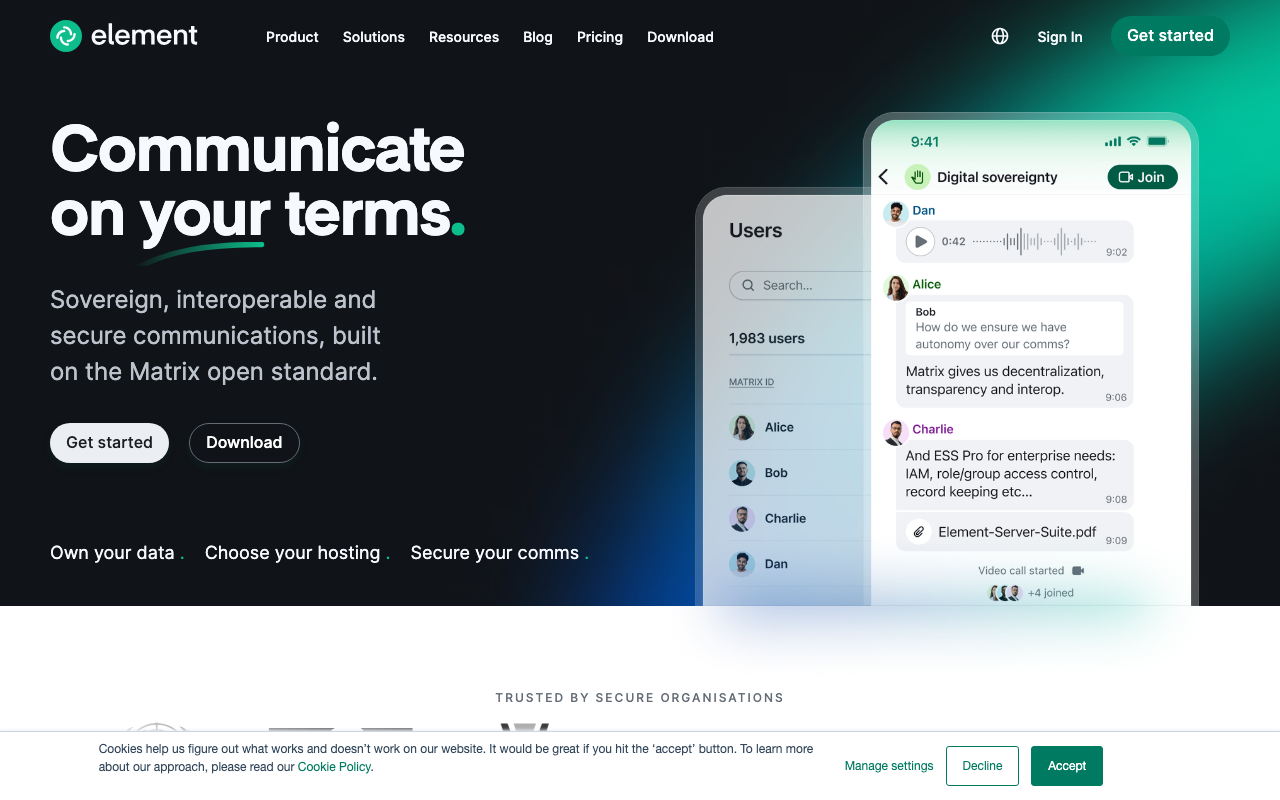

Element
Secure messaging built on the Matrix protocol
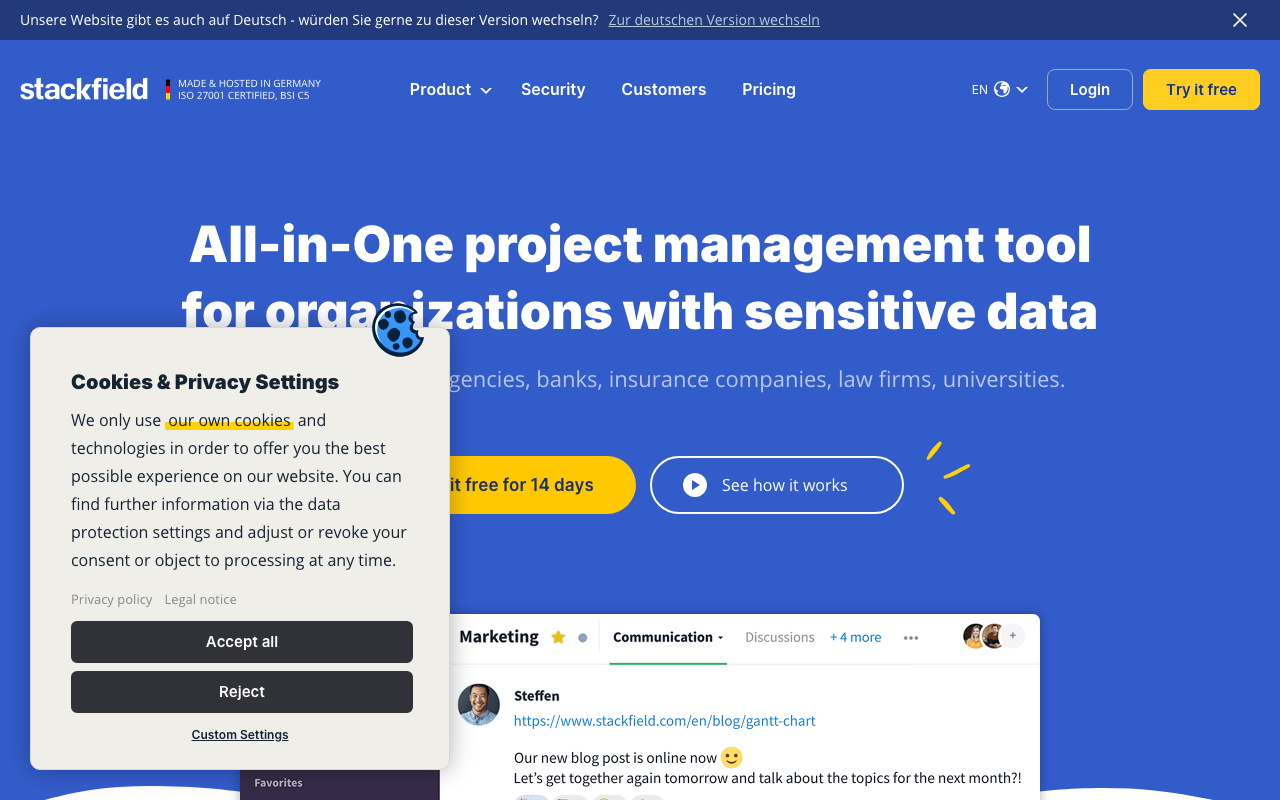

Stackfield
German encrypted collaboration for teams
Teamwire
Secure enterprise messenger made in Germany
What Makes a Messaging & Chat GDPR Compliant?
Is WhatsApp Business compliant with GDPR for European companies?
What is the difference between encryption in transit and end-to-end encryption for business chat?
How do I handle message retention and deletion under GDPR for team chat?
Get Started
Looking for Alternatives?
EU-hosted replacements for WhatsApp
EU-hosted replacements for Microsoft Teams
EU-hosted replacements for Discord
EU-hosted replacements for Slack
EU-hosted replacements for Facebook Messenger
Where These Products Host Data
Other GDPR-Compliant Categories
Discover GDPR-compliant European file storage alternatives to Google Drive and Dropbox. Keep your data in the EU.
Find European email hosting providers with end-to-end encryption and GDPR compliance. Secure alternatives to Gmail and Outlook.
European cloud hosting and IaaS alternatives to AWS, Azure, and Google Cloud with full EU data residency.
GDPR-compliant European alternatives to Slack, Teams, and Zoom for secure team collaboration and messaging.
Related Pages
Browse all messaging & chat products
End-to-end encrypted collaboration platform
Privacy-first messaging, no phone number required
Secure messaging built on the Matrix protocol
German encrypted collaboration for teams
Secure enterprise messenger made in Germany