GDPR-Compliant HR & People Management
HR platforms process the most sensitive personal data in any organisation: employee names, addresses, bank account details, salary information, tax identification numbers, health-related absence records, performance evaluations, disciplinary notes, and diversity data. Under GDPR, much of this data qualifies as special category data requiring enhanced protection. A data breach involving HR records can expose your entire workforce's most private information. When HR data is processed by a US-based platform like BambooHR or Workday, your employees' most sensitive personal information is subject to US jurisdiction and the CLOUD Act. European HR platforms store all employee data exclusively within the EU, comply natively with country-specific employment law requirements, and build GDPR data subject rights directly into their workflows. For organisations with EU employees, this is not just a compliance preference but a duty of care to your workforce.
GDPR Compliance Checklist
Compliant Products (4)
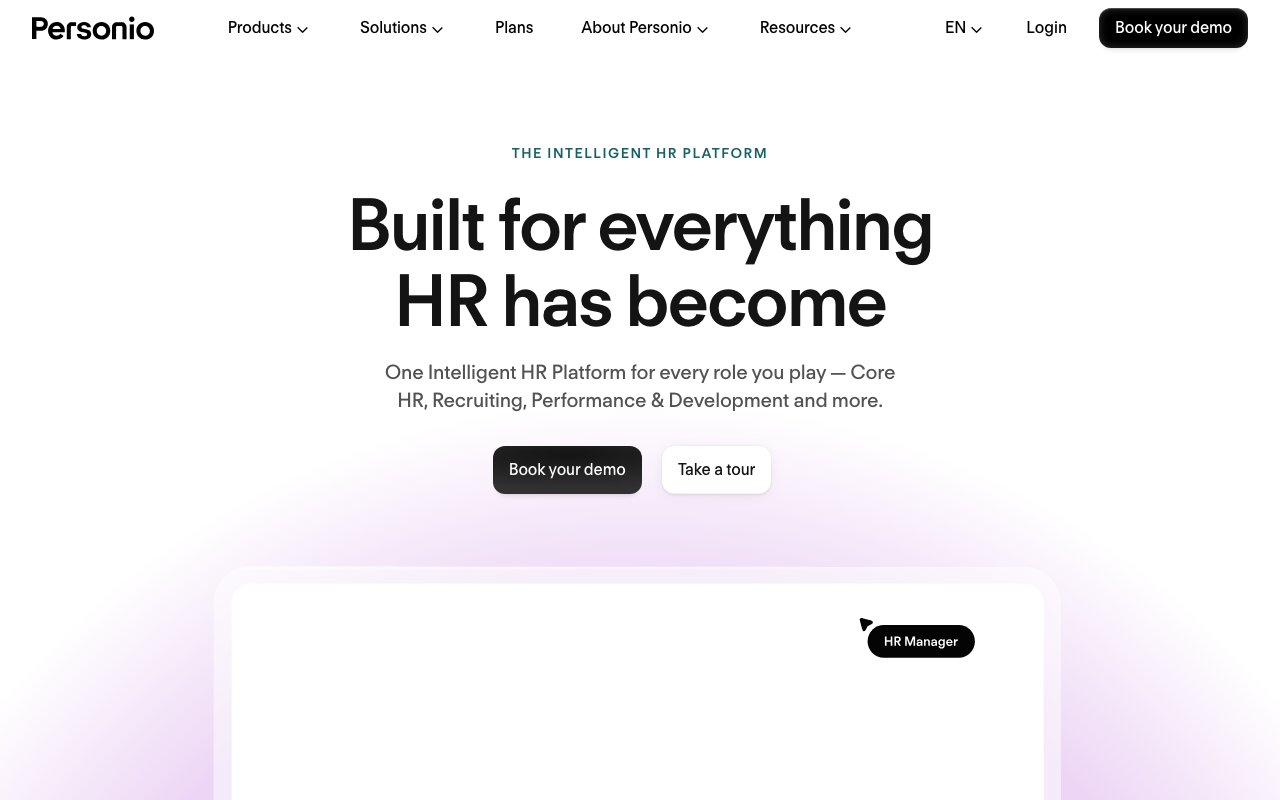

Personio
All-in-one HR platform for European SMBs
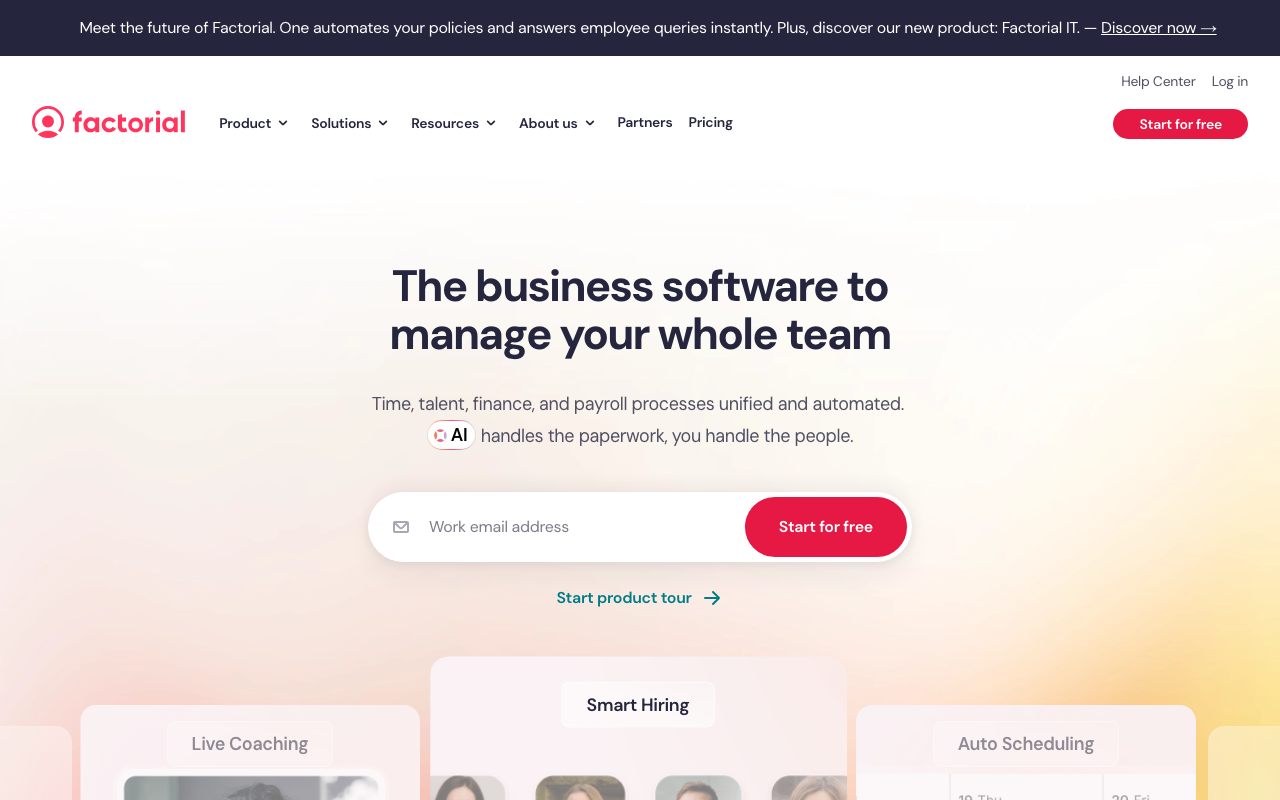

Factorial
People-first HR software from Spain


Kenjo
Intuitive HR software for growing companies


SAP SuccessFactors
Enterprise-grade human capital management by SAP
What Makes a HR & People Management GDPR Compliant?
What makes HR data especially sensitive under GDPR?
Can European HR platforms handle multi-country payroll and employment law?
How do European HR tools handle employee data subject requests?
Get Started
Looking for Alternatives?
Where These Products Host Data
Other GDPR-Compliant Categories
Discover GDPR-compliant European file storage alternatives to Google Drive and Dropbox. Keep your data in the EU.
Find European email hosting providers with end-to-end encryption and GDPR compliance. Secure alternatives to Gmail and Outlook.
European cloud hosting and IaaS alternatives to AWS, Azure, and Google Cloud with full EU data residency.
GDPR-compliant European alternatives to Slack, Teams, and Zoom for secure team collaboration and messaging.