GDPR-Compliant Web Analytics
Web analytics is one of the most scrutinised areas under GDPR. Multiple EU data protection authorities have ruled that Google Analytics transfers personal data to the US illegally. European analytics providers solve this entirely by processing all visitor data within the EU, often without cookies, eliminating the need for consent banners and legal risk.
GDPR Compliance Checklist
Compliant Products (6)
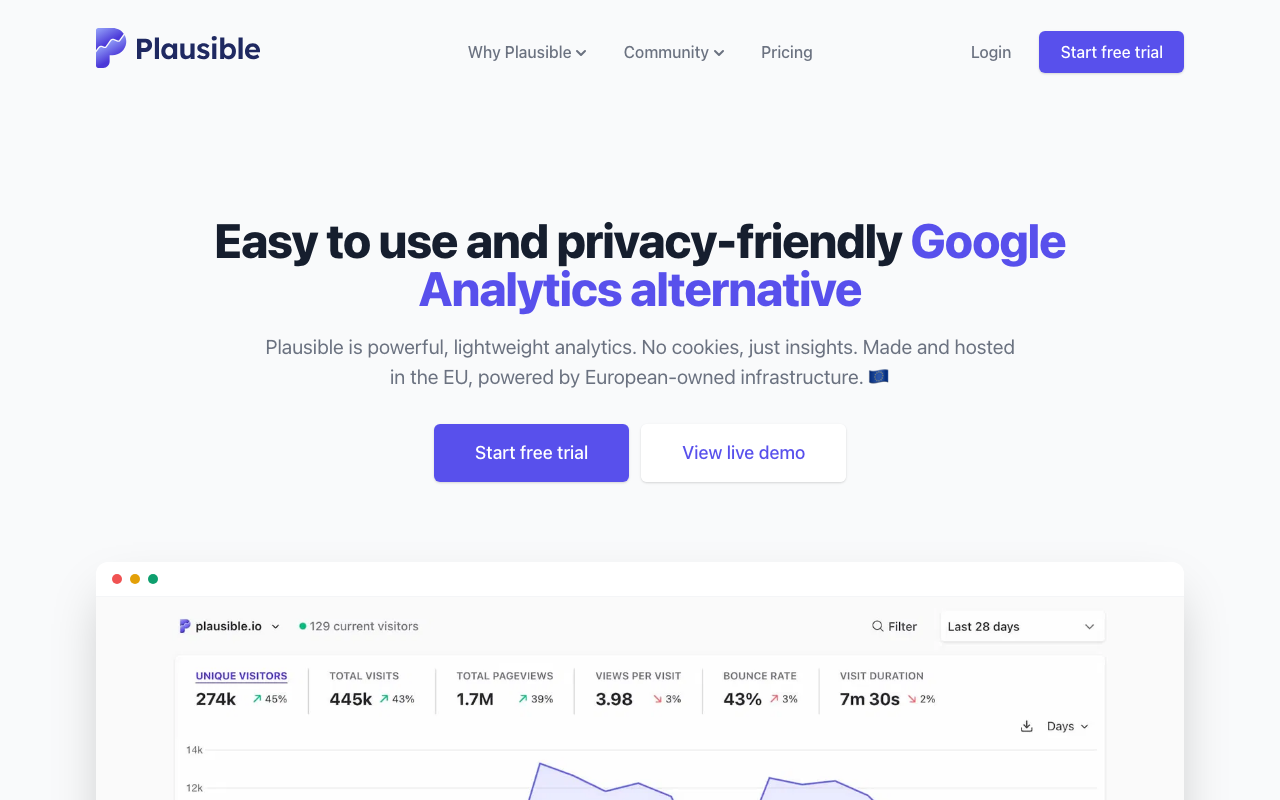

Plausible Analytics
Privacy-friendly website analytics
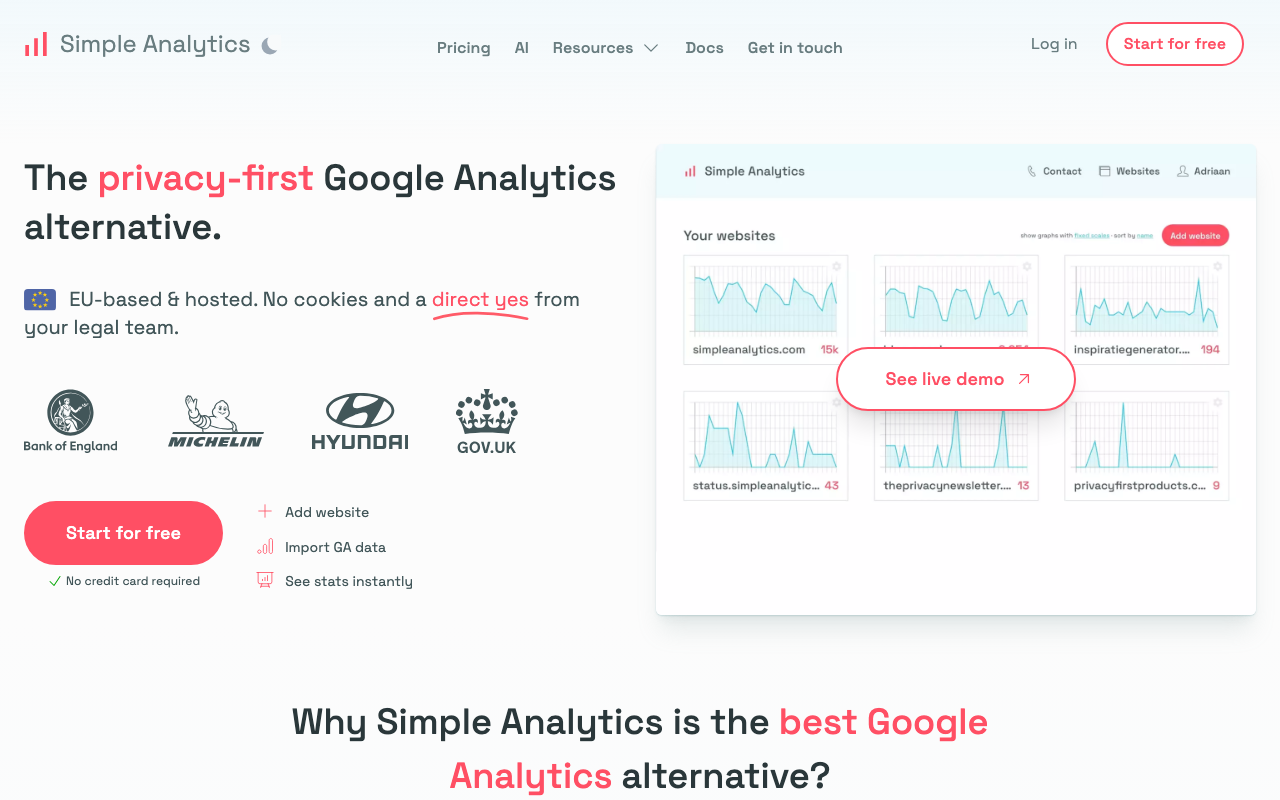

Simple Analytics
Privacy-first analytics without cookies


Pirsch
Privacy-friendly lightweight web analytics
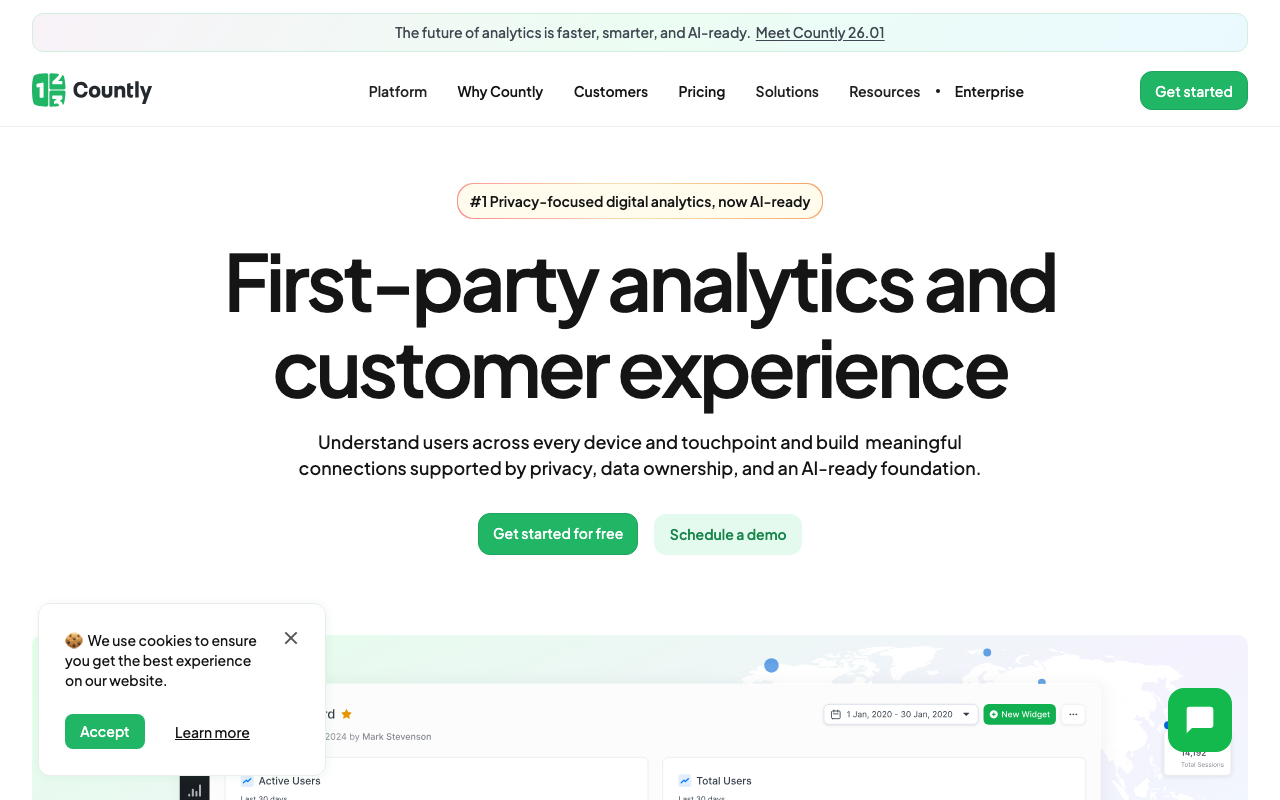

Countly
Privacy-first open source product analytics platform
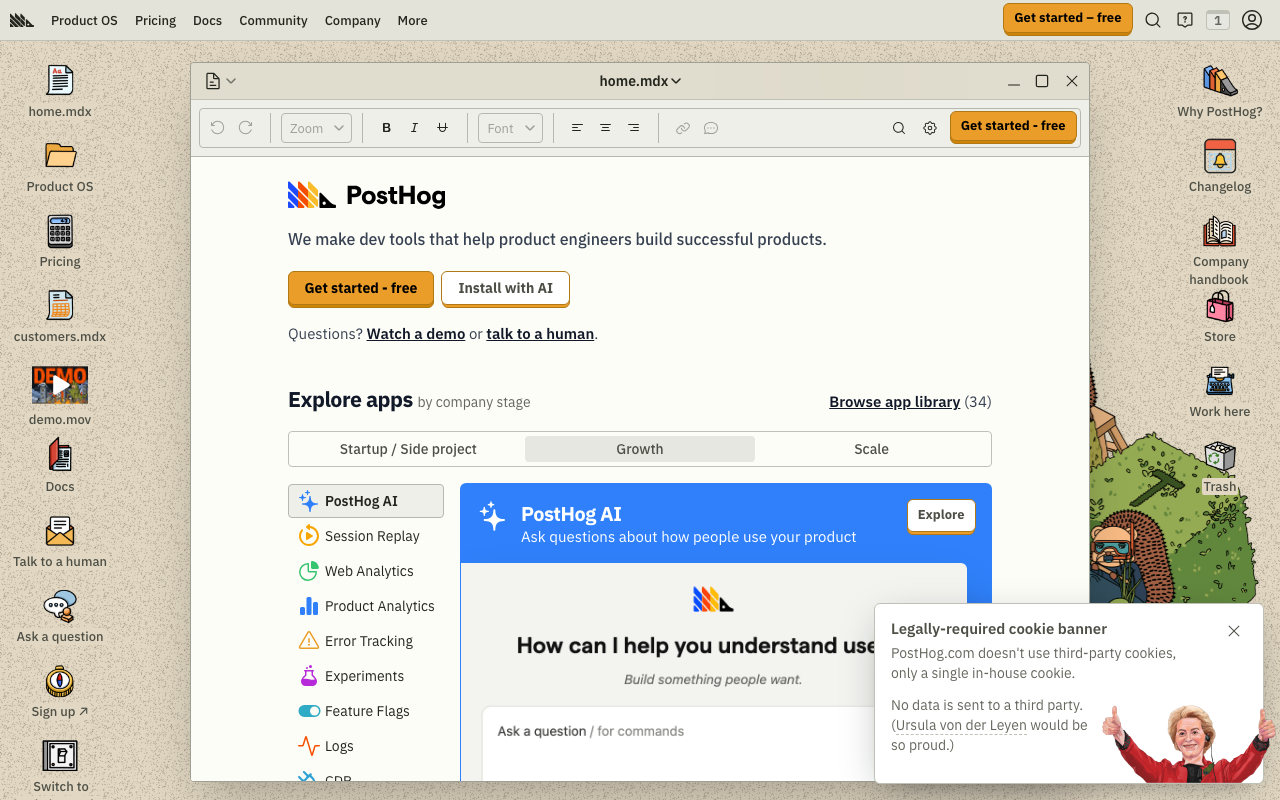

PostHog
Open source all-in-one product analytics suite

June
Product analytics built for B2B SaaS teams
What Makes a Web Analytics GDPR Compliant?
Has Google Analytics actually been declared illegal in the EU?
Will I lose important insights by switching away from Google Analytics?
Do cookieless analytics tools really work without a consent banner?
Get Started
Looking for Alternatives?
Where These Products Host Data
Other GDPR-Compliant Categories
Discover GDPR-compliant European file storage alternatives to Google Drive and Dropbox. Keep your data in the EU.
Find European email hosting providers with end-to-end encryption and GDPR compliance. Secure alternatives to Gmail and Outlook.
European cloud hosting and IaaS alternatives to AWS, Azure, and Google Cloud with full EU data residency.
GDPR-compliant European alternatives to Slack, Teams, and Zoom for secure team collaboration and messaging.
Related Pages
Browse all web analytics products
Privacy-friendly website analytics
Privacy-first analytics without cookies
Privacy-friendly lightweight web analytics
Privacy-first open source product analytics platform
Open source all-in-one product analytics suite
Product analytics built for B2B SaaS teams