Messaging & Chat
Business messaging and chat applications for internal team communication and external collaboration. European messaging tools provide end-to-end encryption and store conversation data exclusively within the EU, keeping your business discussions private and GDPR-compliant.
What to Look For
GDPR Considerations
Business messaging platforms accumulate a vast archive of internal communications: strategy discussions, HR conversations, client details, financial figures, and casual exchanges that may inadvertently contain personal data. Unlike email, messaging tends to be informal and high-volume, making it harder to audit and control. Under GDPR, this unstructured personal data still requires proper protection, lawful processing, and the ability to respond to data subject requests. European messaging providers address these concerns by encrypting messages end-to-end, storing all data on EU servers, and providing administrative tools for message retention and deletion policies. This ensures that your team's daily communication is governed by European law, not subject to foreign surveillance frameworks.
How to Choose
With 5 European messaging & chat options available, choosing the right one depends on your priorities. Here's a quick guide:
On a budget or just exploring
Wire, Element offer free tiers
Need code transparency or self-hosting
Wire, Element are open source
Enterprise procurement requirements
Wire, Stackfield, Teamwire hold ISO 27001
Specific data residency requirements
Data hosted in Germany, Switzerland
European Messaging & Chat Software
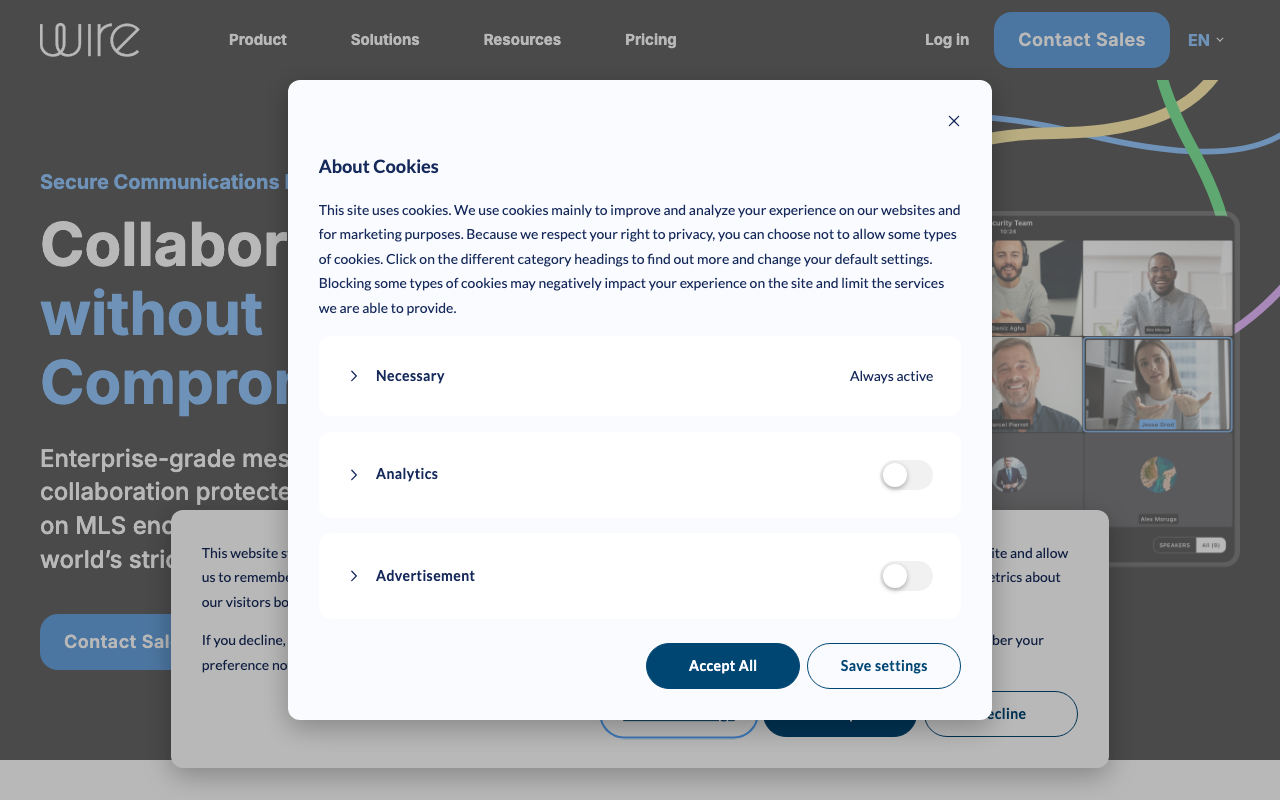

Wire
End-to-end encrypted collaboration platform


Threema
Privacy-first messaging, no phone number required
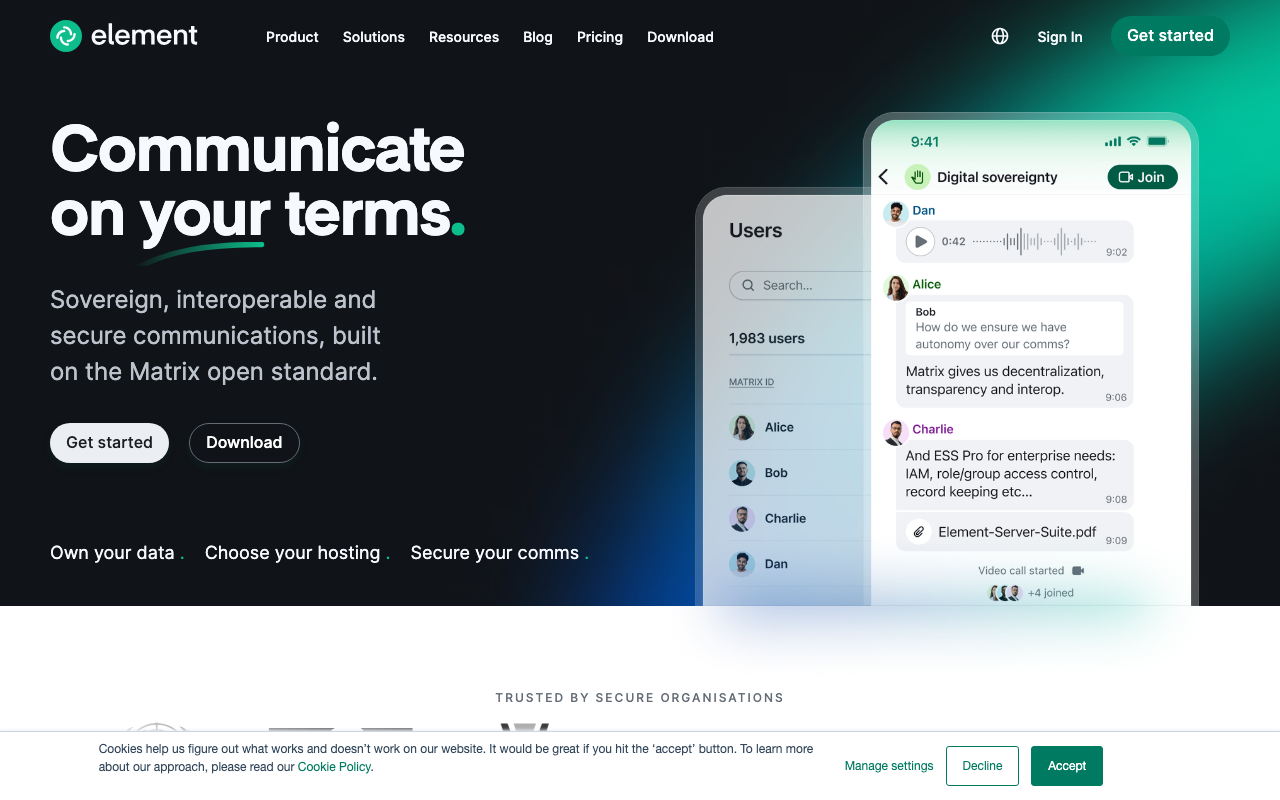

Element
Secure messaging built on the Matrix protocol


Stackfield
German encrypted collaboration for teams
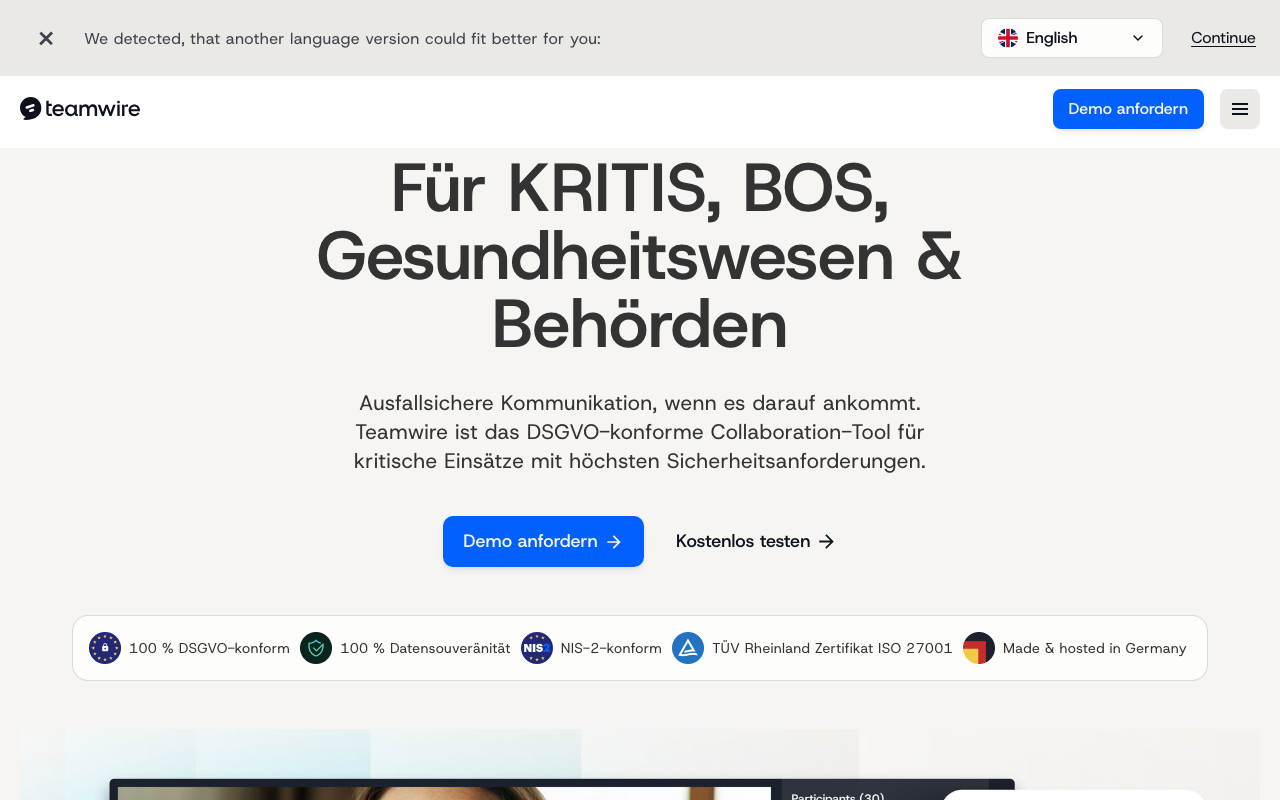
Teamwire
Secure enterprise messenger made in Germany
Compare Messaging & Chat Products
Messaging & Chat by Country
Looking for US alternatives?
European alternatives to Slack
European alternatives to Zoom
European alternatives to WhatsApp
European alternatives to Microsoft Teams
European alternatives to Discord
European alternatives to Facebook Messenger
European alternatives to Basecamp