European Alternatives to GitHub
Find GDPR-compliant, EU-hosted replacements for GitHub.
GitHub is widely used, but organisations across Europe are increasingly looking for alternatives that offer genuine GDPR compliance without the legal uncertainty of US data jurisdiction. The European market now offers 3 mature alternatives to GitHub that match core functionality while keeping your data exclusively under European law.
The alternatives listed below are all headquartered in Europe, store data within EU/EEA data centres, and offer Data Processing Agreements aligned with GDPR Article 28. Several are open source, giving you additional transparency and flexibility that proprietary US services cannot offer.
Why Switch from GitHub
Data Privacy Concerns
- US CLOUD Act jurisdiction (owned by Microsoft)
- Source code accessible to US authorities
- Copilot AI trained on repository code raising IP concerns
- Actions secrets and environment variables stored on US servers
EU Alternatives

GitLab
Complete DevOps platform in a single application

Codeberg
Non-profit community-driven code hosting from Germany
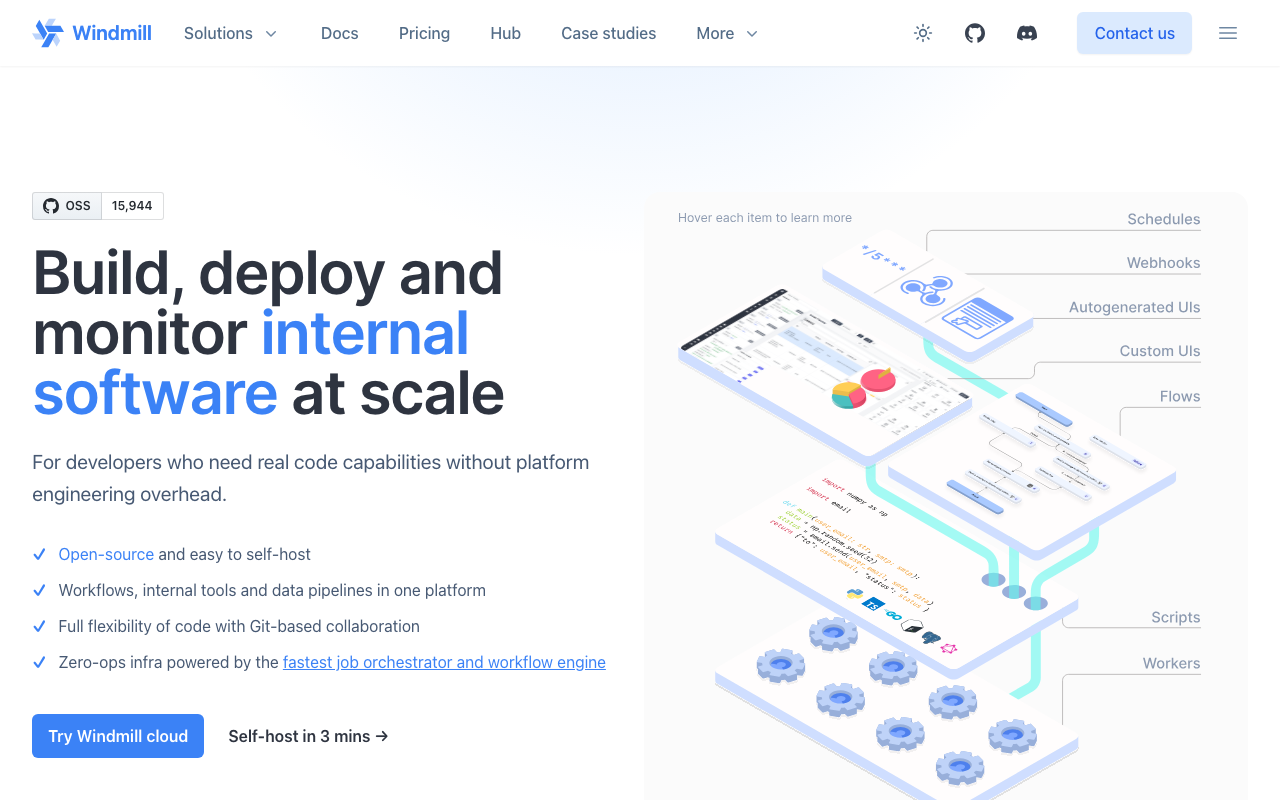

Windmill
Open source workflow engine and developer platform
Feature Comparison
| Feature | GitLab | Codeberg | Windmill |
|---|---|---|---|
| Name | GitLab | Codeberg | Windmill |
| Pricing | Free | Free | Free |
| Free Tier | |||
| GDPR | |||
| ISO 27001 | |||
| Open Source | |||
| Headquarters | Utrecht, NL | Berlin, DE | Paris, FR |
| Data Centers | EU, US | DE | EU |
| Git repositories | |||
| CI/CD pipelines | |||
| Container registry | |||
| Issue tracking | |||
| Code review | |||
| Security scanning | |||
| Package registry | |||
| Wiki |
Try These Alternatives
Related Categories
GDPR-Compliant Options
What to Expect When Switching
Switching from GitHub to a European alternative is typically straightforward. Under GDPR Article 20, you have the right to data portability — GitHub must allow you to export your data in a machine-readable format. Most European providers offer import tools or migration guides to help you transfer your data with minimal downtime.
For small teams, migration can often be completed in a single day. Larger organisations should plan for a phased rollout over one to four weeks, starting with a pilot group to identify any workflow adjustments. The most common challenge is not the data migration itself, but updating integrations and retraining team members on the new interface.
GitLab and Codeberg and Windmill offer a free tier, so you can evaluate the product with real data before committing to a full migration.